
Request a Quote
News Update

Agribusiness: Turning Farming into a Profitable Business

Many people view farming simply as the production of crops or livestock. However, successful agriculture today requires more than good harvests—it requires sound business planning, market awareness, financial management, and strategic decision-making.

Agribusiness is the process of managing farming as a business enterprise rather than a subsistence activity. Farmers who adopt this mindset are better positioned to increase profits, access larger markets, and build sustainable businesses.

What is Agribusiness?

Agribusiness includes every activity involved in agricultural production, processing, storage, transportation, marketing, and distribution. It focuses on creating value throughout the agricultural value chain.

Successful agribusiness owners understand not only how to grow crops but also how to manage costs, identify market opportunities, improve product quality, and build strong customer relationships.

Key Components of a Successful Agribusiness

Business Planning

Every successful agricultural enterprise begins with a clear business plan outlining objectives, production targets, marketing strategies, and financial projections.

Financial Management

Proper budgeting, record keeping, and cash flow management help farmers make informed decisions and improve profitability.

Market Research

Understanding customer preferences and market demand enables producers to grow crops that generate better returns.

Value Addition

Processing, packaging, branding, and product diversification increase product value and open new market opportunities.

Technology Adoption

Modern technologies such as greenhouse farming, irrigation systems, improved seeds, and digital farm management tools improve productivity and efficiency.

Common Challenges Facing Agribusinesses

Many agricultural enterprises struggle because of:

  • Poor planning
  • Limited access to finance
  • Inadequate market information
  • Post-harvest losses
  • Climate-related risks
  • Low adoption of modern technologies

These challenges can be overcome through proper training, technical support, and strategic planning.

How MGK Agro Allied Supports Agribusiness Growth

MGK Agro Allied provides comprehensive agribusiness services that include:

  • Business planning
  • Enterprise development
  • Market readiness
  • Value chain development
  • Technical consultancy
  • Capacity building
  • Investment advisory
  • Farmer training

Our goal is to help farmers transition from subsistence farming to profitable, sustainable agribusiness enterprises.

Final Thoughts

Agriculture offers tremendous business opportunities for individuals, cooperatives, investors, and young entrepreneurs. With the right knowledge, planning, and support, farming can become a profitable and sustainable enterprise that contributes to food security, employment, and economic growth.

Whether you are starting a new agricultural venture or expanding an existing one, MGK Agro Allied is your trusted partner in building successful agribusinesses.
News Update

Why Greenhouse Farming is Transforming Modern Agriculture

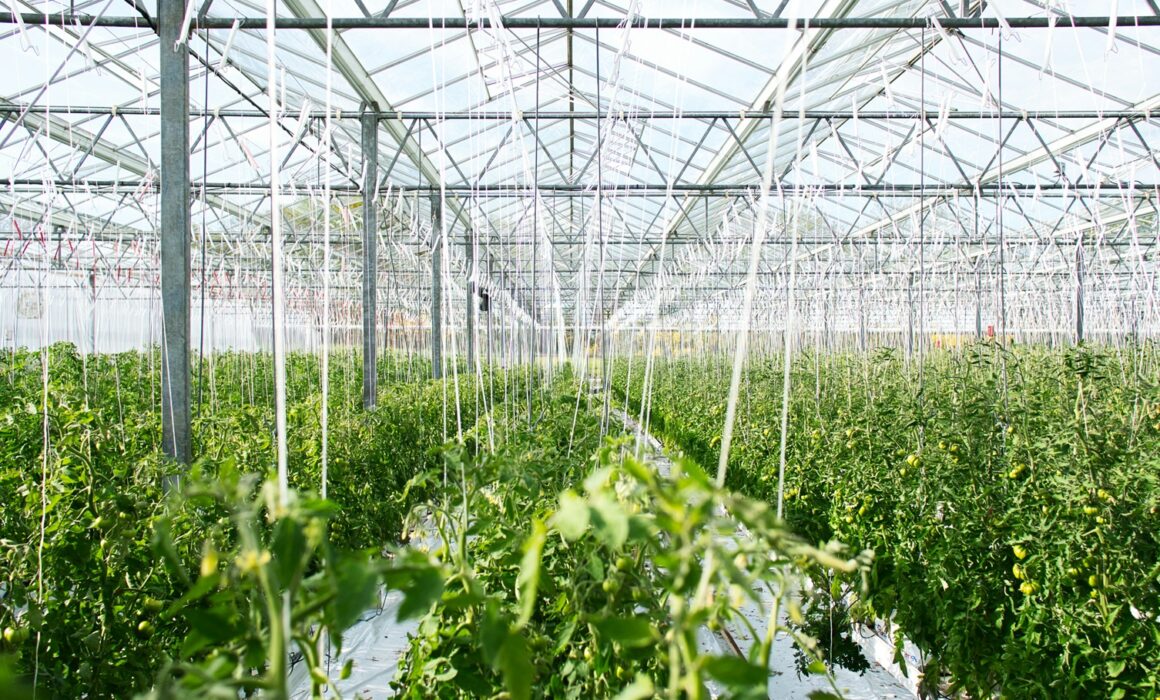
Greenhouse farming has become one of the fastest-growing agricultural innovations worldwide. By providing a controlled growing environment, greenhouses allow farmers to produce high-quality crops throughout the year while minimizing the effects of harsh weather conditions.

Whether you’re a commercial farmer, agribusiness investor, or agricultural entrepreneur, greenhouse farming offers an excellent opportunity to improve productivity and increase profitability.

What is Greenhouse Farming?

Greenhouse farming involves growing crops inside specially designed structures that regulate temperature, humidity, sunlight, and irrigation. This controlled environment enables crops to grow under optimal conditions regardless of external weather changes.

Benefits of Greenhouse Farming

Year-Round Production

Unlike open-field farming, greenhouse farming allows continuous production throughout the year, providing farmers with a reliable supply of fresh produce.

Higher Crop Yields

Controlled conditions reduce stress on plants, resulting in healthier crops and significantly higher yields.

Better Quality Produce

Greenhouse-grown crops are generally cleaner, more uniform, and of higher quality, making them more attractive to consumers and commercial buyers.

Efficient Water Management

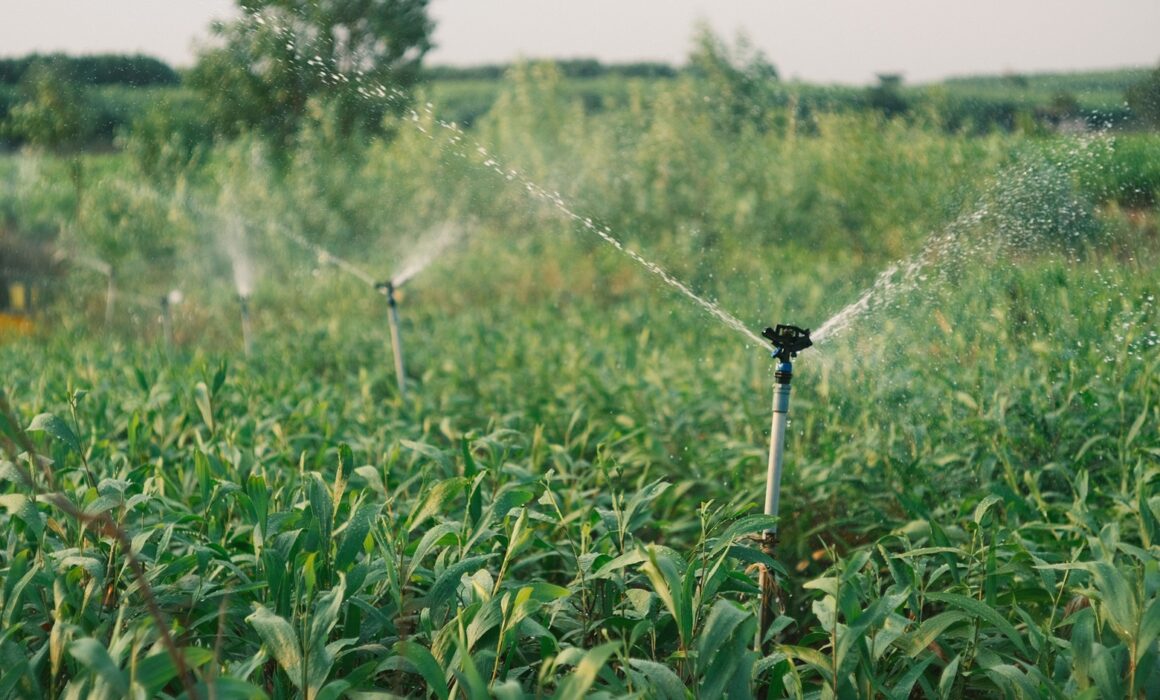
Modern greenhouse systems use drip irrigation and fertigation technologies that significantly reduce water consumption compared to conventional farming.

Reduced Pest and Disease Pressure

Controlled environments make it easier to monitor and manage pests and diseases, reducing crop losses and minimizing pesticide use.

Crops Suitable for Greenhouse Farming

Popular greenhouse crops include:

  • Tomatoes
  • Cucumbers
  • Sweet peppers
  • Lettuce
  • Spinach
  • Herbs
  • Strawberries
  • Seedlings
  • Flowers

Is Greenhouse Farming Profitable?

Yes. Although greenhouse farming requires an initial investment, the long-term benefits often outweigh the costs. Farmers enjoy:

  • Multiple production cycles each year
  • Premium-quality produce
  • Stable market supply
  • Reduced production losses
  • Increased income potential

Success depends on proper planning, crop selection, technical knowledge, and effective management.

How MGK Agro Allied Can Help

MGK Agro Allied provides complete greenhouse solutions, including:

  • Greenhouse design
  • Installation
  • Irrigation systems
  • Crop planning
  • Technical training
  • Farm management support
  • Ongoing advisory services

Our experienced team works closely with clients to ensure successful implementation and maximum return on investment.

Conclusion

Greenhouse farming represents the future of commercial agriculture. With the right technology, training, and technical support, farmers can produce more food, earn higher incomes, and build resilient agricultural businesses.

Contact MGK Agro Allied today to learn how greenhouse farming can transform your agricultural enterprise.

News Update

Climate-Smart Agriculture: The Future of Sustainable Farming in Africa

Agriculture is the backbone of many African economies, providing food, employment, and income for millions of people. However, climate change is increasingly threatening agricultural productivity through irregular rainfall, prolonged droughts, flooding, soil degradation, and emerging pests and diseases. These challenges demand innovative solutions that enable farmers to produce more while protecting the environment.

Climate-smart agriculture (CSA) has emerged as one of the most effective approaches to addressing these challenges. By combining sustainable farming practices with modern technologies and climate adaptation strategies, CSA helps farmers increase productivity, build resilience, and reduce environmental impact.

What is Climate-Smart Agriculture?

Climate-smart agriculture is an approach that improves agricultural productivity while helping farmers adapt to climate change and reduce greenhouse gas emissions where possible. It focuses on producing more food using fewer natural resources and ensuring farming remains profitable and sustainable for future generations.

Unlike traditional farming methods that often depend heavily on unpredictable weather conditions, climate-smart agriculture promotes efficient resource management, conservation practices, and innovative technologies.

Key Principles of Climate-Smart Agriculture

1. Increasing Productivity

Climate-smart farming introduces improved crop varieties, efficient irrigation systems, better soil management, and modern production techniques that help farmers achieve higher yields and better-quality produce.

2. Building Climate Resilience

Extreme weather events are becoming more frequent. Climate-smart practices help farmers prepare for these conditions through drought-resistant crops, water conservation, crop diversification, and improved farm planning.

3. Protecting Natural Resources

Healthy soils, clean water, forests, and biodiversity are essential for sustainable agriculture. Climate-smart farming promotes conservation agriculture, agroforestry, composting, and reduced soil disturbance to preserve these valuable resources.

Climate-Smart Farming Practices

Some of the most effective climate-smart techniques include:

  • Drip irrigation systems
  • Rainwater harvesting
  • Mulching
  • Compost production
  • Crop rotation
  • Cover cropping
  • Agroforestry
  • Soil testing and nutrient management
  • Integrated pest management
  • Greenhouse farming

Benefits for Farmers

Farmers who adopt climate-smart agriculture often experience:

  • Increased crop yields
  • Improved soil fertility
  • Reduced production costs
  • Better water efficiency
  • Reduced risks from climate change
  • Increased farm profitability
  • Sustainable long-term production

How MGK Agro Allied Supports Climate-Smart Agriculture

At MGK Agro Allied, we work closely with farmers, cooperatives, institutions, and development partners to promote sustainable farming practices through training, technical advisory services, greenhouse solutions, soil and water management, and climate adaptation programmes.

Our goal is to help farming communities become more productive, resilient, and environmentally responsible while contributing to national food security.

Conclusion

Climate-smart agriculture is no longer an option—it is a necessity. As climate challenges continue to affect agricultural production, adopting sustainable farming practices will ensure farmers remain productive, profitable, and prepared for the future.

If you’re ready to modernize your farming practices, contact MGK Agro Allied to learn how our climate-smart solutions can support your agricultural goals.

Privacy Settings
We use cookies to improve website functionality, analyse visitor behaviour, and enhance user experience. Users may control cookie preferences through their browser settings.
Youtube
Consent to display content from - Youtube
Vimeo
Consent to display content from - Vimeo
Google Maps
Consent to display content from - Google
Spotify
Consent to display content from - Spotify
Sound Cloud
Consent to display content from - Sound
Request a Quote